Water Ministry initiates mitigation measures ahead of expected reduced rainfall from April-June

The Water Ministry has initiated mitigation measures ahead of an expected below-normal rainy season from April to June.

Limited rainfall is already impacting some systems, especially for the National Water Commission.

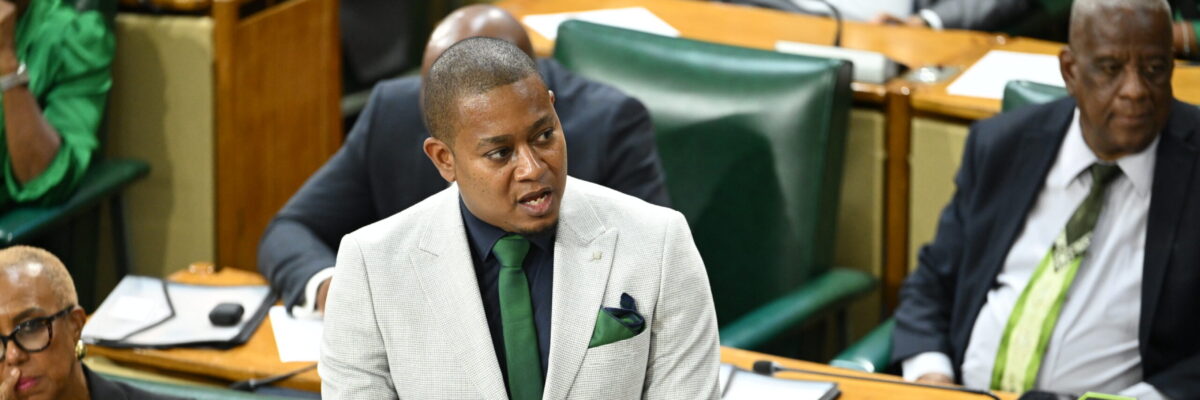
As such, Water Minister Matthew Samuda has tasked the rural water supply limited to, among other things, assessing water supply systems and storage capacity.

The Minister chaired the Drought Management Committee’s first meeting for this year yesterday, and the team conducted a comprehensive assessment of the country’s water resources and the escalating impact of reduced rainfall on national systems.

In a statement yesterday, the Ministry said the Committee received detailed technical reports from key water sector agencies outlining current storage levels, system performance and emerging risks.

The Met Service indicated that the early rainfall period typically experienced between April and June is expected to be significantly below normal.

It said if these projections materialise, water storage will be critical in preventing a prolonged drought from severely disrupting households, agriculture and essential services.

The National Water Commission reported that 133 of its 612 water supply systems are already being affected by reduced inflows.

It warned that without a substantial increase in rainfall, water restrictions may become necessary in several areas.

The NWC raised concern about the western region, where infrastructure remains compromised following the passage of Hurricane Melissa last October.

The National Irrigation Commission Limited highlighted mounting challenges in the eastern end of the island, especially within the Yallahs basin.

In response to these findings, Samuda directed the Rural Water Supply Limited to immediately implement a two-part emergency action plan.

First, the agency is to conduct a comprehensive assessment of rural water supply systems in hurricane-affected communities.

The review must outline repair costs and identify systems that can be rehabilitated quickly to deliver immediate relief and strengthen drought resilience.

Second, it must carry out an urgent audit of water storage capacity at critical institutions, including hospitals, schools, children’s homes, homes for the elderly and police stations, particularly those housing detainees.

Samuda noted that the action plan is about preparedness and protection, ensuring that the most vulnerable citizens and essential services are safeguarded if the anticipated rains do not materialise.

The Minister also underscored the government’s ongoing investment in community resilience.

Samuda is expected to present a detailed report to Cabinet outlining recommended measures to further strengthen national water security should below-normal rainfall persist.

In addition to the action plan, the government is advancing long-term water resilience measures to reduce vulnerability to future droughts.

Work has already commenced under the Western Water Resilience Project, with full construction scheduled to begin in June, significantly strengthening supply reliability across the western region.

The Rio Cobre Water Supply Project is under construction and is expected to deliver approximately 15 million imperial gallons of water per day upon completion.

This additional capacity from the Rio Cobre Project alone would exceed the deficit experienced during that crisis and materially enhance national water security.

To support communities facing supply disruptions, the government has bolstered its mobile response capability.

Through the NWC, 77 water trucks are now available islandwide, with new trucks secured over the last two years to expand water trucking capacity and improve response times.

Read More

Labour and Social Security Ministry has disbursed more than $2B to Jamaicans affected by Hurricane Melissa

The Water Ministry has initiated mitigation measures ahead of an expected below-normal rainy season from April to June.

Limited rainfall is already impacting some systems, especially for the National Water Commission.

As such, Water Minister Matthew Samuda has tasked the rural water supply limited to, among other things, assessing water supply systems and storage capacity.

The Minister chaired the Drought Management Committee’s first meeting for this year yesterday, and the team conducted a comprehensive assessment of the country’s water resources and the escalating impact of reduced rainfall on national systems.

In a statement yesterday, the Ministry said the Committee received detailed technical reports from key water sector agencies outlining current storage levels, system performance and emerging risks.

The Met Service indicated that the early rainfall period typically experienced between April and June is expected to be significantly below normal.

It said if these projections materialise, water storage will be critical in preventing a prolonged drought from severely disrupting households, agriculture and essential services.

The National Water Commission reported that 133 of its 612 water supply systems are already being affected by reduced inflows.

It warned that without a substantial increase in rainfall, water restrictions may become necessary in several areas.

The NWC raised concern about the western region, where infrastructure remains compromised following the passage of Hurricane Melissa last October.

The National Irrigation Commission Limited highlighted mounting challenges in the eastern end of the island, especially within the Yallahs basin.

In response to these findings, Samuda directed the Rural Water Supply Limited to immediately implement a two-part emergency action plan.

First, the agency is to conduct a comprehensive assessment of rural water supply systems in hurricane-affected communities.

The review must outline repair costs and identify systems that can be rehabilitated quickly to deliver immediate relief and strengthen drought resilience.

Second, it must carry out an urgent audit of water storage capacity at critical institutions, including hospitals, schools, children’s homes, homes for the elderly and police stations, particularly those housing detainees.

Samuda noted that the action plan is about preparedness and protection, ensuring that the most vulnerable citizens and essential services are safeguarded if the anticipated rains do not materialise.

The Minister also underscored the government’s ongoing investment in community resilience.

Samuda is expected to present a detailed report to Cabinet outlining recommended measures to further strengthen national water security should below-normal rainfall persist.

In addition to the action plan, the government is advancing long-term water resilience measures to reduce vulnerability to future droughts.

Work has already commenced under the Western Water Resilience Project, with full construction scheduled to begin in June, significantly strengthening supply reliability across the western region.

The Rio Cobre Water Supply Project is under construction and is expected to deliver approximately 15 million imperial gallons of water per day upon completion.

This additional capacity from the Rio Cobre Project alone would exceed the deficit experienced during that crisis and materially enhance national water security.

To support communities facing supply disruptions, the government has bolstered its mobile response capability.

Through the NWC, 77 water trucks are now available islandwide, with new trucks secured over the last two years to expand water trucking capacity and improve response times.

Read More

44 beds donated to Mandeville Regional Hospital

The Water Ministry has initiated mitigation measures ahead of an expected below-normal rainy season from April to June.

Limited rainfall is already impacting some systems, especially for the National Water Commission.

As such, Water Minister Matthew Samuda has tasked the rural water supply limited to, among other things, assessing water supply systems and storage capacity.

The Minister chaired the Drought Management Committee’s first meeting for this year yesterday, and the team conducted a comprehensive assessment of the country’s water resources and the escalating impact of reduced rainfall on national systems.

In a statement yesterday, the Ministry said the Committee received detailed technical reports from key water sector agencies outlining current storage levels, system performance and emerging risks.

The Met Service indicated that the early rainfall period typically experienced between April and June is expected to be significantly below normal.

It said if these projections materialise, water storage will be critical in preventing a prolonged drought from severely disrupting households, agriculture and essential services.

The National Water Commission reported that 133 of its 612 water supply systems are already being affected by reduced inflows.

It warned that without a substantial increase in rainfall, water restrictions may become necessary in several areas.

The NWC raised concern about the western region, where infrastructure remains compromised following the passage of Hurricane Melissa last October.

The National Irrigation Commission Limited highlighted mounting challenges in the eastern end of the island, especially within the Yallahs basin.

In response to these findings, Samuda directed the Rural Water Supply Limited to immediately implement a two-part emergency action plan.

First, the agency is to conduct a comprehensive assessment of rural water supply systems in hurricane-affected communities.

The review must outline repair costs and identify systems that can be rehabilitated quickly to deliver immediate relief and strengthen drought resilience.

Second, it must carry out an urgent audit of water storage capacity at critical institutions, including hospitals, schools, children’s homes, homes for the elderly and police stations, particularly those housing detainees.

Samuda noted that the action plan is about preparedness and protection, ensuring that the most vulnerable citizens and essential services are safeguarded if the anticipated rains do not materialise.

The Minister also underscored the government’s ongoing investment in community resilience.

Samuda is expected to present a detailed report to Cabinet outlining recommended measures to further strengthen national water security should below-normal rainfall persist.

In addition to the action plan, the government is advancing long-term water resilience measures to reduce vulnerability to future droughts.

Work has already commenced under the Western Water Resilience Project, with full construction scheduled to begin in June, significantly strengthening supply reliability across the western region.

The Rio Cobre Water Supply Project is under construction and is expected to deliver approximately 15 million imperial gallons of water per day upon completion.

This additional capacity from the Rio Cobre Project alone would exceed the deficit experienced during that crisis and materially enhance national water security.

To support communities facing supply disruptions, the government has bolstered its mobile response capability.

Through the NWC, 77 water trucks are now available islandwide, with new trucks secured over the last two years to expand water trucking capacity and improve response times.

Read More

Appeal made for donations to support airlift of Westmoreland burn victim to the USA for treatment

The Water Ministry has initiated mitigation measures ahead of an expected below-normal rainy season from April to June.

Limited rainfall is already impacting some systems, especially for the National Water Commission.

As such, Water Minister Matthew Samuda has tasked the rural water supply limited to, among other things, assessing water supply systems and storage capacity.

The Minister chaired the Drought Management Committee’s first meeting for this year yesterday, and the team conducted a comprehensive assessment of the country’s water resources and the escalating impact of reduced rainfall on national systems.

In a statement yesterday, the Ministry said the Committee received detailed technical reports from key water sector agencies outlining current storage levels, system performance and emerging risks.

The Met Service indicated that the early rainfall period typically experienced between April and June is expected to be significantly below normal.

It said if these projections materialise, water storage will be critical in preventing a prolonged drought from severely disrupting households, agriculture and essential services.

The National Water Commission reported that 133 of its 612 water supply systems are already being affected by reduced inflows.

It warned that without a substantial increase in rainfall, water restrictions may become necessary in several areas.

The NWC raised concern about the western region, where infrastructure remains compromised following the passage of Hurricane Melissa last October.

The National Irrigation Commission Limited highlighted mounting challenges in the eastern end of the island, especially within the Yallahs basin.

In response to these findings, Samuda directed the Rural Water Supply Limited to immediately implement a two-part emergency action plan.

First, the agency is to conduct a comprehensive assessment of rural water supply systems in hurricane-affected communities.

The review must outline repair costs and identify systems that can be rehabilitated quickly to deliver immediate relief and strengthen drought resilience.

Second, it must carry out an urgent audit of water storage capacity at critical institutions, including hospitals, schools, children’s homes, homes for the elderly and police stations, particularly those housing detainees.

Samuda noted that the action plan is about preparedness and protection, ensuring that the most vulnerable citizens and essential services are safeguarded if the anticipated rains do not materialise.

The Minister also underscored the government’s ongoing investment in community resilience.

Samuda is expected to present a detailed report to Cabinet outlining recommended measures to further strengthen national water security should below-normal rainfall persist.

In addition to the action plan, the government is advancing long-term water resilience measures to reduce vulnerability to future droughts.

Work has already commenced under the Western Water Resilience Project, with full construction scheduled to begin in June, significantly strengthening supply reliability across the western region.

The Rio Cobre Water Supply Project is under construction and is expected to deliver approximately 15 million imperial gallons of water per day upon completion.

This additional capacity from the Rio Cobre Project alone would exceed the deficit experienced during that crisis and materially enhance national water security.

To support communities facing supply disruptions, the government has bolstered its mobile response capability.

Through the NWC, 77 water trucks are now available islandwide, with new trucks secured over the last two years to expand water trucking capacity and improve response times.

Read More

CPFSA condemns killing of child in Denham Town

The Water Ministry has initiated mitigation measures ahead of an expected below-normal rainy season from April to June.

Limited rainfall is already impacting some systems, especially for the National Water Commission.

As such, Water Minister Matthew Samuda has tasked the rural water supply limited to, among other things, assessing water supply systems and storage capacity.

The Minister chaired the Drought Management Committee’s first meeting for this year yesterday, and the team conducted a comprehensive assessment of the country’s water resources and the escalating impact of reduced rainfall on national systems.

In a statement yesterday, the Ministry said the Committee received detailed technical reports from key water sector agencies outlining current storage levels, system performance and emerging risks.

The Met Service indicated that the early rainfall period typically experienced between April and June is expected to be significantly below normal.

It said if these projections materialise, water storage will be critical in preventing a prolonged drought from severely disrupting households, agriculture and essential services.

The National Water Commission reported that 133 of its 612 water supply systems are already being affected by reduced inflows.

It warned that without a substantial increase in rainfall, water restrictions may become necessary in several areas.

The NWC raised concern about the western region, where infrastructure remains compromised following the passage of Hurricane Melissa last October.

The National Irrigation Commission Limited highlighted mounting challenges in the eastern end of the island, especially within the Yallahs basin.

In response to these findings, Samuda directed the Rural Water Supply Limited to immediately implement a two-part emergency action plan.

First, the agency is to conduct a comprehensive assessment of rural water supply systems in hurricane-affected communities.

The review must outline repair costs and identify systems that can be rehabilitated quickly to deliver immediate relief and strengthen drought resilience.

Second, it must carry out an urgent audit of water storage capacity at critical institutions, including hospitals, schools, children’s homes, homes for the elderly and police stations, particularly those housing detainees.

Samuda noted that the action plan is about preparedness and protection, ensuring that the most vulnerable citizens and essential services are safeguarded if the anticipated rains do not materialise.

The Minister also underscored the government’s ongoing investment in community resilience.

Samuda is expected to present a detailed report to Cabinet outlining recommended measures to further strengthen national water security should below-normal rainfall persist.

In addition to the action plan, the government is advancing long-term water resilience measures to reduce vulnerability to future droughts.

Work has already commenced under the Western Water Resilience Project, with full construction scheduled to begin in June, significantly strengthening supply reliability across the western region.

The Rio Cobre Water Supply Project is under construction and is expected to deliver approximately 15 million imperial gallons of water per day upon completion.

This additional capacity from the Rio Cobre Project alone would exceed the deficit experienced during that crisis and materially enhance national water security.

To support communities facing supply disruptions, the government has bolstered its mobile response capability.

Through the NWC, 77 water trucks are now available islandwide, with new trucks secured over the last two years to expand water trucking capacity and improve response times.

Read More

Two police constables and civilian slapped with several charges relating to firearms seizure and murder investigation

The Water Ministry has initiated mitigation measures ahead of an expected below-normal rainy season from April to June.

Limited rainfall is already impacting some systems, especially for the National Water Commission.

As such, Water Minister Matthew Samuda has tasked the rural water supply limited to, among other things, assessing water supply systems and storage capacity.

The Minister chaired the Drought Management Committee’s first meeting for this year yesterday, and the team conducted a comprehensive assessment of the country’s water resources and the escalating impact of reduced rainfall on national systems.

In a statement yesterday, the Ministry said the Committee received detailed technical reports from key water sector agencies outlining current storage levels, system performance and emerging risks.

The Met Service indicated that the early rainfall period typically experienced between April and June is expected to be significantly below normal.

It said if these projections materialise, water storage will be critical in preventing a prolonged drought from severely disrupting households, agriculture and essential services.

The National Water Commission reported that 133 of its 612 water supply systems are already being affected by reduced inflows.

It warned that without a substantial increase in rainfall, water restrictions may become necessary in several areas.

The NWC raised concern about the western region, where infrastructure remains compromised following the passage of Hurricane Melissa last October.

The National Irrigation Commission Limited highlighted mounting challenges in the eastern end of the island, especially within the Yallahs basin.

In response to these findings, Samuda directed the Rural Water Supply Limited to immediately implement a two-part emergency action plan.

First, the agency is to conduct a comprehensive assessment of rural water supply systems in hurricane-affected communities.

The review must outline repair costs and identify systems that can be rehabilitated quickly to deliver immediate relief and strengthen drought resilience.

Second, it must carry out an urgent audit of water storage capacity at critical institutions, including hospitals, schools, children’s homes, homes for the elderly and police stations, particularly those housing detainees.

Samuda noted that the action plan is about preparedness and protection, ensuring that the most vulnerable citizens and essential services are safeguarded if the anticipated rains do not materialise.

The Minister also underscored the government’s ongoing investment in community resilience.

Samuda is expected to present a detailed report to Cabinet outlining recommended measures to further strengthen national water security should below-normal rainfall persist.

In addition to the action plan, the government is advancing long-term water resilience measures to reduce vulnerability to future droughts.

Work has already commenced under the Western Water Resilience Project, with full construction scheduled to begin in June, significantly strengthening supply reliability across the western region.

The Rio Cobre Water Supply Project is under construction and is expected to deliver approximately 15 million imperial gallons of water per day upon completion.

This additional capacity from the Rio Cobre Project alone would exceed the deficit experienced during that crisis and materially enhance national water security.

To support communities facing supply disruptions, the government has bolstered its mobile response capability.

Through the NWC, 77 water trucks are now available islandwide, with new trucks secured over the last two years to expand water trucking capacity and improve response times.

Read More

Opposition calls for full operations report, budget and policy statement on Rural School Bus Programme

The Water Ministry has initiated mitigation measures ahead of an expected below-normal rainy season from April to June.

Limited rainfall is already impacting some systems, especially for the National Water Commission.

As such, Water Minister Matthew Samuda has tasked the rural water supply limited to, among other things, assessing water supply systems and storage capacity.

The Minister chaired the Drought Management Committee’s first meeting for this year yesterday, and the team conducted a comprehensive assessment of the country’s water resources and the escalating impact of reduced rainfall on national systems.

In a statement yesterday, the Ministry said the Committee received detailed technical reports from key water sector agencies outlining current storage levels, system performance and emerging risks.

The Met Service indicated that the early rainfall period typically experienced between April and June is expected to be significantly below normal.

It said if these projections materialise, water storage will be critical in preventing a prolonged drought from severely disrupting households, agriculture and essential services.

The National Water Commission reported that 133 of its 612 water supply systems are already being affected by reduced inflows.

It warned that without a substantial increase in rainfall, water restrictions may become necessary in several areas.

The NWC raised concern about the western region, where infrastructure remains compromised following the passage of Hurricane Melissa last October.

The National Irrigation Commission Limited highlighted mounting challenges in the eastern end of the island, especially within the Yallahs basin.

In response to these findings, Samuda directed the Rural Water Supply Limited to immediately implement a two-part emergency action plan.

First, the agency is to conduct a comprehensive assessment of rural water supply systems in hurricane-affected communities.

The review must outline repair costs and identify systems that can be rehabilitated quickly to deliver immediate relief and strengthen drought resilience.

Second, it must carry out an urgent audit of water storage capacity at critical institutions, including hospitals, schools, children’s homes, homes for the elderly and police stations, particularly those housing detainees.

Samuda noted that the action plan is about preparedness and protection, ensuring that the most vulnerable citizens and essential services are safeguarded if the anticipated rains do not materialise.

The Minister also underscored the government’s ongoing investment in community resilience.

Samuda is expected to present a detailed report to Cabinet outlining recommended measures to further strengthen national water security should below-normal rainfall persist.

In addition to the action plan, the government is advancing long-term water resilience measures to reduce vulnerability to future droughts.

Work has already commenced under the Western Water Resilience Project, with full construction scheduled to begin in June, significantly strengthening supply reliability across the western region.

The Rio Cobre Water Supply Project is under construction and is expected to deliver approximately 15 million imperial gallons of water per day upon completion.

This additional capacity from the Rio Cobre Project alone would exceed the deficit experienced during that crisis and materially enhance national water security.

To support communities facing supply disruptions, the government has bolstered its mobile response capability.

Through the NWC, 77 water trucks are now available islandwide, with new trucks secured over the last two years to expand water trucking capacity and improve response times.

Read More

Kingston police probing murder of Excelsior High worker during drive by shooting; school community plunged into mourning

The Water Ministry has initiated mitigation measures ahead of an expected below-normal rainy season from April to June.

Limited rainfall is already impacting some systems, especially for the National Water Commission.

As such, Water Minister Matthew Samuda has tasked the rural water supply limited to, among other things, assessing water supply systems and storage capacity.

The Minister chaired the Drought Management Committee’s first meeting for this year yesterday, and the team conducted a comprehensive assessment of the country’s water resources and the escalating impact of reduced rainfall on national systems.

In a statement yesterday, the Ministry said the Committee received detailed technical reports from key water sector agencies outlining current storage levels, system performance and emerging risks.

The Met Service indicated that the early rainfall period typically experienced between April and June is expected to be significantly below normal.

It said if these projections materialise, water storage will be critical in preventing a prolonged drought from severely disrupting households, agriculture and essential services.

The National Water Commission reported that 133 of its 612 water supply systems are already being affected by reduced inflows.

It warned that without a substantial increase in rainfall, water restrictions may become necessary in several areas.

The NWC raised concern about the western region, where infrastructure remains compromised following the passage of Hurricane Melissa last October.

The National Irrigation Commission Limited highlighted mounting challenges in the eastern end of the island, especially within the Yallahs basin.

In response to these findings, Samuda directed the Rural Water Supply Limited to immediately implement a two-part emergency action plan.

First, the agency is to conduct a comprehensive assessment of rural water supply systems in hurricane-affected communities.

The review must outline repair costs and identify systems that can be rehabilitated quickly to deliver immediate relief and strengthen drought resilience.

Second, it must carry out an urgent audit of water storage capacity at critical institutions, including hospitals, schools, children’s homes, homes for the elderly and police stations, particularly those housing detainees.

Samuda noted that the action plan is about preparedness and protection, ensuring that the most vulnerable citizens and essential services are safeguarded if the anticipated rains do not materialise.

The Minister also underscored the government’s ongoing investment in community resilience.

Samuda is expected to present a detailed report to Cabinet outlining recommended measures to further strengthen national water security should below-normal rainfall persist.

In addition to the action plan, the government is advancing long-term water resilience measures to reduce vulnerability to future droughts.

Work has already commenced under the Western Water Resilience Project, with full construction scheduled to begin in June, significantly strengthening supply reliability across the western region.

The Rio Cobre Water Supply Project is under construction and is expected to deliver approximately 15 million imperial gallons of water per day upon completion.

This additional capacity from the Rio Cobre Project alone would exceed the deficit experienced during that crisis and materially enhance national water security.

To support communities facing supply disruptions, the government has bolstered its mobile response capability.

Through the NWC, 77 water trucks are now available islandwide, with new trucks secured over the last two years to expand water trucking capacity and improve response times.

Read More

PM Holness says national security resilience is the bridge between violence reduction and long term development

The Water Ministry has initiated mitigation measures ahead of an expected below-normal rainy season from April to June.

Limited rainfall is already impacting some systems, especially for the National Water Commission.

As such, Water Minister Matthew Samuda has tasked the rural water supply limited to, among other things, assessing water supply systems and storage capacity.

The Minister chaired the Drought Management Committee’s first meeting for this year yesterday, and the team conducted a comprehensive assessment of the country’s water resources and the escalating impact of reduced rainfall on national systems.

In a statement yesterday, the Ministry said the Committee received detailed technical reports from key water sector agencies outlining current storage levels, system performance and emerging risks.

The Met Service indicated that the early rainfall period typically experienced between April and June is expected to be significantly below normal.

It said if these projections materialise, water storage will be critical in preventing a prolonged drought from severely disrupting households, agriculture and essential services.

The National Water Commission reported that 133 of its 612 water supply systems are already being affected by reduced inflows.

It warned that without a substantial increase in rainfall, water restrictions may become necessary in several areas.

The NWC raised concern about the western region, where infrastructure remains compromised following the passage of Hurricane Melissa last October.

The National Irrigation Commission Limited highlighted mounting challenges in the eastern end of the island, especially within the Yallahs basin.

In response to these findings, Samuda directed the Rural Water Supply Limited to immediately implement a two-part emergency action plan.

First, the agency is to conduct a comprehensive assessment of rural water supply systems in hurricane-affected communities.

The review must outline repair costs and identify systems that can be rehabilitated quickly to deliver immediate relief and strengthen drought resilience.

Second, it must carry out an urgent audit of water storage capacity at critical institutions, including hospitals, schools, children’s homes, homes for the elderly and police stations, particularly those housing detainees.

Samuda noted that the action plan is about preparedness and protection, ensuring that the most vulnerable citizens and essential services are safeguarded if the anticipated rains do not materialise.

The Minister also underscored the government’s ongoing investment in community resilience.

Samuda is expected to present a detailed report to Cabinet outlining recommended measures to further strengthen national water security should below-normal rainfall persist.

In addition to the action plan, the government is advancing long-term water resilience measures to reduce vulnerability to future droughts.

Work has already commenced under the Western Water Resilience Project, with full construction scheduled to begin in June, significantly strengthening supply reliability across the western region.

The Rio Cobre Water Supply Project is under construction and is expected to deliver approximately 15 million imperial gallons of water per day upon completion.

This additional capacity from the Rio Cobre Project alone would exceed the deficit experienced during that crisis and materially enhance national water security.

To support communities facing supply disruptions, the government has bolstered its mobile response capability.

Through the NWC, 77 water trucks are now available islandwide, with new trucks secured over the last two years to expand water trucking capacity and improve response times.

Read More

Night court sessions at Kingston and St. Andrew traffic court, Melbourne location temporarily suspended following shooting incident yesterday

The Water Ministry has initiated mitigation measures ahead of an expected below-normal rainy season from April to June.

Limited rainfall is already impacting some systems, especially for the National Water Commission.

As such, Water Minister Matthew Samuda has tasked the rural water supply limited to, among other things, assessing water supply systems and storage capacity.

The Minister chaired the Drought Management Committee’s first meeting for this year yesterday, and the team conducted a comprehensive assessment of the country’s water resources and the escalating impact of reduced rainfall on national systems.

In a statement yesterday, the Ministry said the Committee received detailed technical reports from key water sector agencies outlining current storage levels, system performance and emerging risks.

The Met Service indicated that the early rainfall period typically experienced between April and June is expected to be significantly below normal.

It said if these projections materialise, water storage will be critical in preventing a prolonged drought from severely disrupting households, agriculture and essential services.

The National Water Commission reported that 133 of its 612 water supply systems are already being affected by reduced inflows.

It warned that without a substantial increase in rainfall, water restrictions may become necessary in several areas.

The NWC raised concern about the western region, where infrastructure remains compromised following the passage of Hurricane Melissa last October.

The National Irrigation Commission Limited highlighted mounting challenges in the eastern end of the island, especially within the Yallahs basin.

In response to these findings, Samuda directed the Rural Water Supply Limited to immediately implement a two-part emergency action plan.

First, the agency is to conduct a comprehensive assessment of rural water supply systems in hurricane-affected communities.

The review must outline repair costs and identify systems that can be rehabilitated quickly to deliver immediate relief and strengthen drought resilience.

Second, it must carry out an urgent audit of water storage capacity at critical institutions, including hospitals, schools, children’s homes, homes for the elderly and police stations, particularly those housing detainees.

Samuda noted that the action plan is about preparedness and protection, ensuring that the most vulnerable citizens and essential services are safeguarded if the anticipated rains do not materialise.

The Minister also underscored the government’s ongoing investment in community resilience.

Samuda is expected to present a detailed report to Cabinet outlining recommended measures to further strengthen national water security should below-normal rainfall persist.

In addition to the action plan, the government is advancing long-term water resilience measures to reduce vulnerability to future droughts.

Work has already commenced under the Western Water Resilience Project, with full construction scheduled to begin in June, significantly strengthening supply reliability across the western region.

The Rio Cobre Water Supply Project is under construction and is expected to deliver approximately 15 million imperial gallons of water per day upon completion.

This additional capacity from the Rio Cobre Project alone would exceed the deficit experienced during that crisis and materially enhance national water security.

To support communities facing supply disruptions, the government has bolstered its mobile response capability.

Through the NWC, 77 water trucks are now available islandwide, with new trucks secured over the last two years to expand water trucking capacity and improve response times.

Read More