

Caster Semenya continues legal fight against sex eligibility rules in Athletics 

South Africa’s most decorated female middle-distance runner Caster Semenya, has made it clear that she is not ending her legal fight against sex eligibility rules in Athletics. 

Back in July, the European Court of Human Rights (ECHR) handed the two times Olympic Gold medalist Semenya a partial victory in her years-long legal battle with World Athletics, ruling that a swiss appeals court hadn’t examined her case rigorously enough. 

That ruling now leaves open the possibility of further legal action against World Athletics, track and field’s global governing body and Semenya said the fight is not over. 

Born with a difference of Sexual Development (DSD), a genetic condition that in her case means she has xy (Male) Chromosomes and produces higher levels of the hormone testosterone than most women. 

She was required under the – then IAAF rule, while still competing to reduce their testosterone levels, which they claimed gave women like her an unfair advantage in the female category, but Semenya has since refused to take drugs to suppress her Testosterone.

The ECHR’s verdict was the latest in a legal battle that has been running since 2018, when Semenya took her case to the Court of Arbitration for Sports (CAS), claiming the governing body’s policy discriminated against her and violated her human rights.

Both CAS and the Swiss Appeals Court, the Swiss Federal Tribunal, ruled in favor of World Athletics.


Read More

Donald Hawthorne among 15 coaches to be honored for long and distinguished service

South Africa’s most decorated female middle-distance runner Caster Semenya, has made it clear that she is not ending her legal fight against sex eligibility rules in Athletics. 

Back in July, the European Court of Human Rights (ECHR) handed the two times Olympic Gold medalist Semenya a partial victory in her years-long legal battle with World Athletics, ruling that a swiss appeals court hadn’t examined her case rigorously enough. 

That ruling now leaves open the possibility of further legal action against World Athletics, track and field’s global governing body and Semenya said the fight is not over. 

Born with a difference of Sexual Development (DSD), a genetic condition that in her case means she has xy (Male) Chromosomes and produces higher levels of the hormone testosterone than most women. 

She was required under the – then IAAF rule, while still competing to reduce their testosterone levels, which they claimed gave women like her an unfair advantage in the female category, but Semenya has since refused to take drugs to suppress her Testosterone.

The ECHR’s verdict was the latest in a legal battle that has been running since 2018, when Semenya took her case to the Court of Arbitration for Sports (CAS), claiming the governing body’s policy discriminated against her and violated her human rights.

Both CAS and the Swiss Appeals Court, the Swiss Federal Tribunal, ruled in favor of World Athletics.

Read More

Mount Pleasant to tackle Defense in Concacaf Caribbean Cup semi-final

South Africa’s most decorated female middle-distance runner Caster Semenya, has made it clear that she is not ending her legal fight against sex eligibility rules in Athletics. 

Back in July, the European Court of Human Rights (ECHR) handed the two times Olympic Gold medalist Semenya a partial victory in her years-long legal battle with World Athletics, ruling that a swiss appeals court hadn’t examined her case rigorously enough. 

That ruling now leaves open the possibility of further legal action against World Athletics, track and field’s global governing body and Semenya said the fight is not over. 

Born with a difference of Sexual Development (DSD), a genetic condition that in her case means she has xy (Male) Chromosomes and produces higher levels of the hormone testosterone than most women. 

She was required under the – then IAAF rule, while still competing to reduce their testosterone levels, which they claimed gave women like her an unfair advantage in the female category, but Semenya has since refused to take drugs to suppress her Testosterone.

The ECHR’s verdict was the latest in a legal battle that has been running since 2018, when Semenya took her case to the Court of Arbitration for Sports (CAS), claiming the governing body’s policy discriminated against her and violated her human rights.

Both CAS and the Swiss Appeals Court, the Swiss Federal Tribunal, ruled in favor of World Athletics.

Read More

Former Reggae Boys coach and England Legend John Barnes declared bankrupt

South Africa’s most decorated female middle-distance runner Caster Semenya, has made it clear that she is not ending her legal fight against sex eligibility rules in Athletics. 

Back in July, the European Court of Human Rights (ECHR) handed the two times Olympic Gold medalist Semenya a partial victory in her years-long legal battle with World Athletics, ruling that a swiss appeals court hadn’t examined her case rigorously enough. 

That ruling now leaves open the possibility of further legal action against World Athletics, track and field’s global governing body and Semenya said the fight is not over. 

Born with a difference of Sexual Development (DSD), a genetic condition that in her case means she has xy (Male) Chromosomes and produces higher levels of the hormone testosterone than most women. 

She was required under the – then IAAF rule, while still competing to reduce their testosterone levels, which they claimed gave women like her an unfair advantage in the female category, but Semenya has since refused to take drugs to suppress her Testosterone.

The ECHR’s verdict was the latest in a legal battle that has been running since 2018, when Semenya took her case to the Court of Arbitration for Sports (CAS), claiming the governing body’s policy discriminated against her and violated her human rights.

Both CAS and the Swiss Appeals Court, the Swiss Federal Tribunal, ruled in favor of World Athletics.
Read More

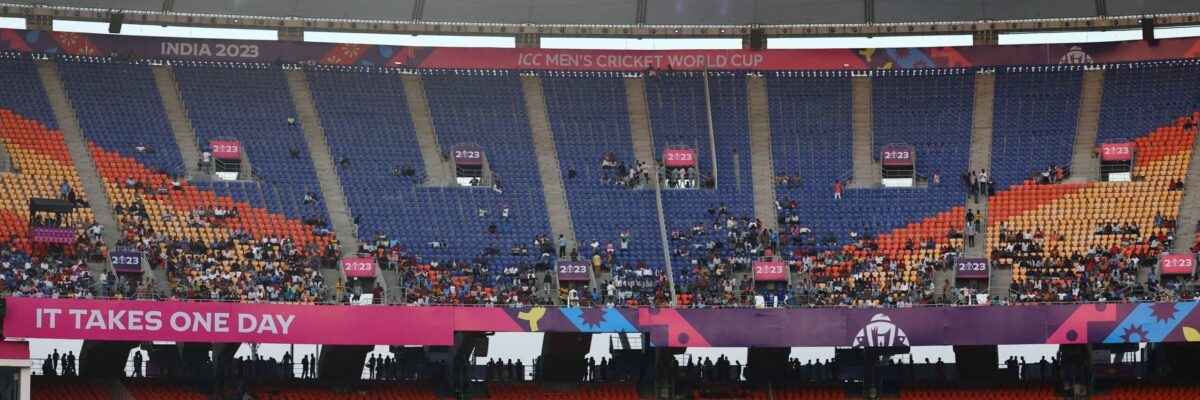
World Netball and Netball Australia are currently collaborating to mobilise support for an Olympic bid

South Africa’s most decorated female middle-distance runner Caster Semenya, has made it clear that she is not ending her legal fight against sex eligibility rules in Athletics. 

Back in July, the European Court of Human Rights (ECHR) handed the two times Olympic Gold medalist Semenya a partial victory in her years-long legal battle with World Athletics, ruling that a swiss appeals court hadn’t examined her case rigorously enough. 

That ruling now leaves open the possibility of further legal action against World Athletics, track and field’s global governing body and Semenya said the fight is not over. 

Born with a difference of Sexual Development (DSD), a genetic condition that in her case means she has xy (Male) Chromosomes and produces higher levels of the hormone testosterone than most women. 

She was required under the – then IAAF rule, while still competing to reduce their testosterone levels, which they claimed gave women like her an unfair advantage in the female category, but Semenya has since refused to take drugs to suppress her Testosterone.

The ECHR’s verdict was the latest in a legal battle that has been running since 2018, when Semenya took her case to the Court of Arbitration for Sports (CAS), claiming the governing body’s policy discriminated against her and violated her human rights.

Both CAS and the Swiss Appeals Court, the Swiss Federal Tribunal, ruled in favor of World Athletics.
Limited seating available for spectators in first test between India and West Indies

South Africa’s most decorated female middle-distance runner Caster Semenya, has made it clear that she is not ending her legal fight against sex eligibility rules in Athletics. 

Back in July, the European Court of Human Rights (ECHR) handed the two times Olympic Gold medalist Semenya a partial victory in her years-long legal battle with World Athletics, ruling that a swiss appeals court hadn’t examined her case rigorously enough. 

That ruling now leaves open the possibility of further legal action against World Athletics, track and field’s global governing body and Semenya said the fight is not over. 

Born with a difference of Sexual Development (DSD), a genetic condition that in her case means she has xy (Male) Chromosomes and produces higher levels of the hormone testosterone than most women. 

She was required under the – then IAAF rule, while still competing to reduce their testosterone levels, which they claimed gave women like her an unfair advantage in the female category, but Semenya has since refused to take drugs to suppress her Testosterone.

The ECHR’s verdict was the latest in a legal battle that has been running since 2018, when Semenya took her case to the Court of Arbitration for Sports (CAS), claiming the governing body’s policy discriminated against her and violated her human rights.

Both CAS and the Swiss Appeals Court, the Swiss Federal Tribunal, ruled in favor of World Athletics.
Read More

Big fights on the card at Wray and Nephew fight nights at Cling Cling Avenue

South Africa’s most decorated female middle-distance runner Caster Semenya, has made it clear that she is not ending her legal fight against sex eligibility rules in Athletics. 

Back in July, the European Court of Human Rights (ECHR) handed the two times Olympic Gold medalist Semenya a partial victory in her years-long legal battle with World Athletics, ruling that a swiss appeals court hadn’t examined her case rigorously enough. 

That ruling now leaves open the possibility of further legal action against World Athletics, track and field’s global governing body and Semenya said the fight is not over. 

Born with a difference of Sexual Development (DSD), a genetic condition that in her case means she has xy (Male) Chromosomes and produces higher levels of the hormone testosterone than most women. 

She was required under the – then IAAF rule, while still competing to reduce their testosterone levels, which they claimed gave women like her an unfair advantage in the female category, but Semenya has since refused to take drugs to suppress her Testosterone.

The ECHR’s verdict was the latest in a legal battle that has been running since 2018, when Semenya took her case to the Court of Arbitration for Sports (CAS), claiming the governing body’s policy discriminated against her and violated her human rights.

Both CAS and the Swiss Appeals Court, the Swiss Federal Tribunal, ruled in favor of World Athletics.

Read More

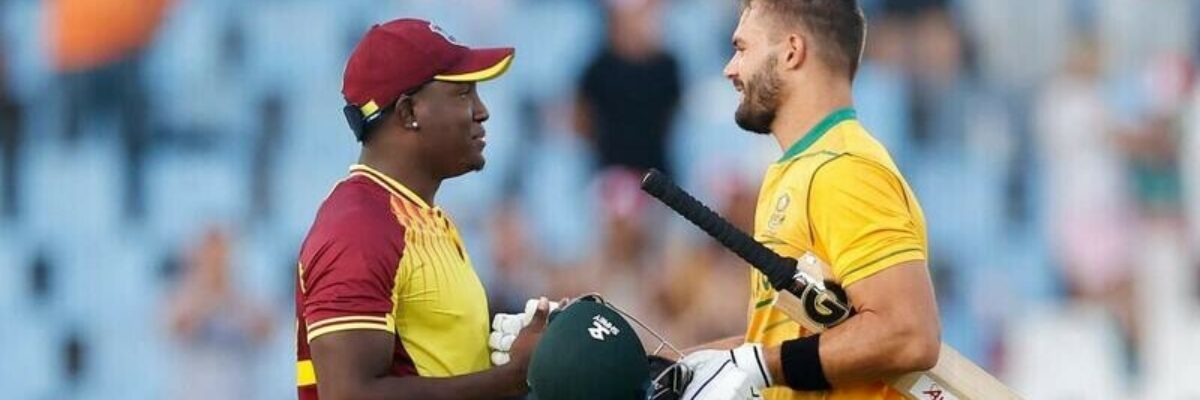
West Indies vs South Africa T20 International series to be shortened

South Africa’s most decorated female middle-distance runner Caster Semenya, has made it clear that she is not ending her legal fight against sex eligibility rules in Athletics. 

Back in July, the European Court of Human Rights (ECHR) handed the two times Olympic Gold medalist Semenya a partial victory in her years-long legal battle with World Athletics, ruling that a swiss appeals court hadn’t examined her case rigorously enough. 

That ruling now leaves open the possibility of further legal action against World Athletics, track and field’s global governing body and Semenya said the fight is not over. 

Born with a difference of Sexual Development (DSD), a genetic condition that in her case means she has xy (Male) Chromosomes and produces higher levels of the hormone testosterone than most women. 

She was required under the – then IAAF rule, while still competing to reduce their testosterone levels, which they claimed gave women like her an unfair advantage in the female category, but Semenya has since refused to take drugs to suppress her Testosterone.

The ECHR’s verdict was the latest in a legal battle that has been running since 2018, when Semenya took her case to the Court of Arbitration for Sports (CAS), claiming the governing body’s policy discriminated against her and violated her human rights.

Both CAS and the Swiss Appeals Court, the Swiss Federal Tribunal, ruled in favor of World Athletics.

Read More

Leon Bailey’s return to competitive football postponed

South Africa’s most decorated female middle-distance runner Caster Semenya, has made it clear that she is not ending her legal fight against sex eligibility rules in Athletics. 

Back in July, the European Court of Human Rights (ECHR) handed the two times Olympic Gold medalist Semenya a partial victory in her years-long legal battle with World Athletics, ruling that a swiss appeals court hadn’t examined her case rigorously enough. 

That ruling now leaves open the possibility of further legal action against World Athletics, track and field’s global governing body and Semenya said the fight is not over. 

Born with a difference of Sexual Development (DSD), a genetic condition that in her case means she has xy (Male) Chromosomes and produces higher levels of the hormone testosterone than most women. 

She was required under the – then IAAF rule, while still competing to reduce their testosterone levels, which they claimed gave women like her an unfair advantage in the female category, but Semenya has since refused to take drugs to suppress her Testosterone.

The ECHR’s verdict was the latest in a legal battle that has been running since 2018, when Semenya took her case to the Court of Arbitration for Sports (CAS), claiming the governing body’s policy discriminated against her and violated her human rights.

Both CAS and the Swiss Appeals Court, the Swiss Federal Tribunal, ruled in favor of World Athletics.

Read More

Two professional bouts will be among a 13-fight card when the Wray and Nephew fight-night series returns

South Africa’s most decorated female middle-distance runner Caster Semenya, has made it clear that she is not ending her legal fight against sex eligibility rules in Athletics. 

Back in July, the European Court of Human Rights (ECHR) handed the two times Olympic Gold medalist Semenya a partial victory in her years-long legal battle with World Athletics, ruling that a swiss appeals court hadn’t examined her case rigorously enough. 

That ruling now leaves open the possibility of further legal action against World Athletics, track and field’s global governing body and Semenya said the fight is not over. 

Born with a difference of Sexual Development (DSD), a genetic condition that in her case means she has xy (Male) Chromosomes and produces higher levels of the hormone testosterone than most women. 

She was required under the – then IAAF rule, while still competing to reduce their testosterone levels, which they claimed gave women like her an unfair advantage in the female category, but Semenya has since refused to take drugs to suppress her Testosterone.

The ECHR’s verdict was the latest in a legal battle that has been running since 2018, when Semenya took her case to the Court of Arbitration for Sports (CAS), claiming the governing body’s policy discriminated against her and violated her human rights.

Both CAS and the Swiss Appeals Court, the Swiss Federal Tribunal, ruled in favor of World Athletics.

Read More