Police Commissioner highlights burden of judgement and decision making officers experience in the field

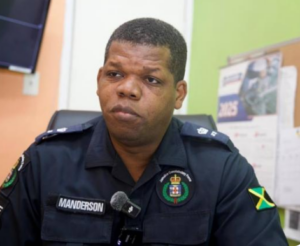
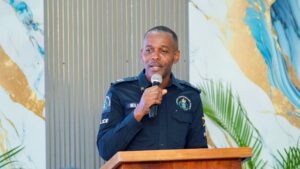
Police Commissioner Dr. Kevin Blake has sought to highlight the burden of judgement and decision making that officers experience when they are in the field. 

He made the comment during the latest Commissioner’s Corner. 

According to the commissioner there are professions where decisions can be revisited, revised, delayed or delegated but policing does not enjoy that luxury. 

He said everyday, police officers are required to assess danger, interpret behaviour, evaluate risk and respond to uncertainty in real time, noting that those decisions often unfold within seconds. 

The Commissioner’s reflections come amid intense public debate surrounding police use of force following a recent fatal shooting incident in St. James.

However, Dr. Blake never references the matter directly. 

According to the Commissioner some of these decisions are made in the quiet of an office after long reflection and consultation.

Others are made in fractions of seconds on a roadside in a volatile and hostile crowd during a domestic dispute or in the face of imminent danger.  

He said that distinction matters profoundly in any serious discussion about accountability and police conduct. 

He noted that public analysis of controversial incidents often occurs after the fact under conditions of calm reflection, slowed footage, legal interpretation and emotional distance. 

The Police Commissioner said operational policing unfolds under entirely different conditions noting that policing rarely affords the luxury of perfect information. 

According to the commissioner officers often act under pressure, uncertainty, fatigue, emotional intensity and incomplete facts,.

However, the Commissioner said that statement should not be interpreted as an argument against accountability. 

He said accountability remains essential in democratic policing.

However, he pointed out that there is an important distinction between evaluating a decision and ignoring the conditions under which it was made.

The Commissioner recognises that operational policing will always attract scrutiny and welcomes that scrutiny within the framework of democratic accountability. 

Yet he also insists that public evaluation must account for operational context, human limitation and the reality of decision-making under pressure. 

In the same breath Dr. Blake repeated the importance of professionalism, emotional maturity and intellectual resilience within policing culture. 

Read More

Holness reiterates commitment to full deployment of camera systems including BWCs

Police Commissioner Dr. Kevin Blake has sought to highlight the burden of judgement and decision making that officers experience when they are in the field. 

He made the comment during the latest Commissioner’s Corner. 

According to the commissioner there are professions where decisions can be revisited, revised, delayed or delegated but policing does not enjoy that luxury. 

He said everyday, police officers are required to assess danger, interpret behaviour, evaluate risk and respond to uncertainty in real time, noting that those decisions often unfold within seconds. 

The Commissioner’s reflections come amid intense public debate surrounding police use of force following a recent fatal shooting incident in St. James.

However, Dr. Blake never references the matter directly. 

According to the Commissioner some of these decisions are made in the quiet of an office after long reflection and consultation.

Others are made in fractions of seconds on a roadside in a volatile and hostile crowd during a domestic dispute or in the face of imminent danger.  

He said that distinction matters profoundly in any serious discussion about accountability and police conduct. 

He noted that public analysis of controversial incidents often occurs after the fact under conditions of calm reflection, slowed footage, legal interpretation and emotional distance. 

The Police Commissioner said operational policing unfolds under entirely different conditions noting that policing rarely affords the luxury of perfect information. 

According to the commissioner officers often act under pressure, uncertainty, fatigue, emotional intensity and incomplete facts,.

However, the Commissioner said that statement should not be interpreted as an argument against accountability. 

He said accountability remains essential in democratic policing.

However, he pointed out that there is an important distinction between evaluating a decision and ignoring the conditions under which it was made.

The Commissioner recognises that operational policing will always attract scrutiny and welcomes that scrutiny within the framework of democratic accountability. 

Yet he also insists that public evaluation must account for operational context, human limitation and the reality of decision-making under pressure. 

In the same breath Dr. Blake repeated the importance of professionalism, emotional maturity and intellectual resilience within policing culture. 

Read More

PIOJ warns tourism sector could be impacted if Hantavirus and Ebola outbreaks continue

Police Commissioner Dr. Kevin Blake has sought to highlight the burden of judgement and decision making that officers experience when they are in the field. 

He made the comment during the latest Commissioner’s Corner. 

According to the commissioner there are professions where decisions can be revisited, revised, delayed or delegated but policing does not enjoy that luxury. 

He said everyday, police officers are required to assess danger, interpret behaviour, evaluate risk and respond to uncertainty in real time, noting that those decisions often unfold within seconds. 

The Commissioner’s reflections come amid intense public debate surrounding police use of force following a recent fatal shooting incident in St. James.

However, Dr. Blake never references the matter directly. 

According to the Commissioner some of these decisions are made in the quiet of an office after long reflection and consultation.

Others are made in fractions of seconds on a roadside in a volatile and hostile crowd during a domestic dispute or in the face of imminent danger.  

He said that distinction matters profoundly in any serious discussion about accountability and police conduct. 

He noted that public analysis of controversial incidents often occurs after the fact under conditions of calm reflection, slowed footage, legal interpretation and emotional distance. 

The Police Commissioner said operational policing unfolds under entirely different conditions noting that policing rarely affords the luxury of perfect information. 

According to the commissioner officers often act under pressure, uncertainty, fatigue, emotional intensity and incomplete facts,.

However, the Commissioner said that statement should not be interpreted as an argument against accountability. 

He said accountability remains essential in democratic policing.

However, he pointed out that there is an important distinction between evaluating a decision and ignoring the conditions under which it was made.

The Commissioner recognises that operational policing will always attract scrutiny and welcomes that scrutiny within the framework of democratic accountability. 

Yet he also insists that public evaluation must account for operational context, human limitation and the reality of decision-making under pressure. 

In the same breath Dr. Blake repeated the importance of professionalism, emotional maturity and intellectual resilience within policing culture. 

Read More

Two motorcyclists killed in separate crashes in Westmoreland yesterday

Police Commissioner Dr. Kevin Blake has sought to highlight the burden of judgement and decision making that officers experience when they are in the field. 

He made the comment during the latest Commissioner’s Corner. 

According to the commissioner there are professions where decisions can be revisited, revised, delayed or delegated but policing does not enjoy that luxury. 

He said everyday, police officers are required to assess danger, interpret behaviour, evaluate risk and respond to uncertainty in real time, noting that those decisions often unfold within seconds. 

The Commissioner’s reflections come amid intense public debate surrounding police use of force following a recent fatal shooting incident in St. James.

However, Dr. Blake never references the matter directly. 

According to the Commissioner some of these decisions are made in the quiet of an office after long reflection and consultation.

Others are made in fractions of seconds on a roadside in a volatile and hostile crowd during a domestic dispute or in the face of imminent danger.  

He said that distinction matters profoundly in any serious discussion about accountability and police conduct. 

He noted that public analysis of controversial incidents often occurs after the fact under conditions of calm reflection, slowed footage, legal interpretation and emotional distance. 

The Police Commissioner said operational policing unfolds under entirely different conditions noting that policing rarely affords the luxury of perfect information. 

According to the commissioner officers often act under pressure, uncertainty, fatigue, emotional intensity and incomplete facts,.

However, the Commissioner said that statement should not be interpreted as an argument against accountability. 

He said accountability remains essential in democratic policing.

However, he pointed out that there is an important distinction between evaluating a decision and ignoring the conditions under which it was made.

The Commissioner recognises that operational policing will always attract scrutiny and welcomes that scrutiny within the framework of democratic accountability. 

Yet he also insists that public evaluation must account for operational context, human limitation and the reality of decision-making under pressure. 

In the same breath Dr. Blake repeated the importance of professionalism, emotional maturity and intellectual resilience within policing culture. 

Read More

Lawmen must remain focused and maintain public’s trust to record further reductions in crime – Dr. McKenzie, Strategic Operations Portfolio

Police Commissioner Dr. Kevin Blake has sought to highlight the burden of judgement and decision making that officers experience when they are in the field. 

He made the comment during the latest Commissioner’s Corner. 

According to the commissioner there are professions where decisions can be revisited, revised, delayed or delegated but policing does not enjoy that luxury. 

He said everyday, police officers are required to assess danger, interpret behaviour, evaluate risk and respond to uncertainty in real time, noting that those decisions often unfold within seconds. 

The Commissioner’s reflections come amid intense public debate surrounding police use of force following a recent fatal shooting incident in St. James.

However, Dr. Blake never references the matter directly. 

According to the Commissioner some of these decisions are made in the quiet of an office after long reflection and consultation.

Others are made in fractions of seconds on a roadside in a volatile and hostile crowd during a domestic dispute or in the face of imminent danger.  

He said that distinction matters profoundly in any serious discussion about accountability and police conduct. 

He noted that public analysis of controversial incidents often occurs after the fact under conditions of calm reflection, slowed footage, legal interpretation and emotional distance. 

The Police Commissioner said operational policing unfolds under entirely different conditions noting that policing rarely affords the luxury of perfect information. 

According to the commissioner officers often act under pressure, uncertainty, fatigue, emotional intensity and incomplete facts,.

However, the Commissioner said that statement should not be interpreted as an argument against accountability. 

He said accountability remains essential in democratic policing.

However, he pointed out that there is an important distinction between evaluating a decision and ignoring the conditions under which it was made.

The Commissioner recognises that operational policing will always attract scrutiny and welcomes that scrutiny within the framework of democratic accountability. 

Yet he also insists that public evaluation must account for operational context, human limitation and the reality of decision-making under pressure. 

In the same breath Dr. Blake repeated the importance of professionalism, emotional maturity and intellectual resilience within policing culture. 

Read More

Attorney-at-law Isat Buchanan to represent family of woman fatally shot by police in Granville, St. James

Police Commissioner Dr. Kevin Blake has sought to highlight the burden of judgement and decision making that officers experience when they are in the field. 

He made the comment during the latest Commissioner’s Corner. 

According to the commissioner there are professions where decisions can be revisited, revised, delayed or delegated but policing does not enjoy that luxury. 

He said everyday, police officers are required to assess danger, interpret behaviour, evaluate risk and respond to uncertainty in real time, noting that those decisions often unfold within seconds. 

The Commissioner’s reflections come amid intense public debate surrounding police use of force following a recent fatal shooting incident in St. James.

However, Dr. Blake never references the matter directly. 

According to the Commissioner some of these decisions are made in the quiet of an office after long reflection and consultation.

Others are made in fractions of seconds on a roadside in a volatile and hostile crowd during a domestic dispute or in the face of imminent danger.  

He said that distinction matters profoundly in any serious discussion about accountability and police conduct. 

He noted that public analysis of controversial incidents often occurs after the fact under conditions of calm reflection, slowed footage, legal interpretation and emotional distance. 

The Police Commissioner said operational policing unfolds under entirely different conditions noting that policing rarely affords the luxury of perfect information. 

According to the commissioner officers often act under pressure, uncertainty, fatigue, emotional intensity and incomplete facts,.

However, the Commissioner said that statement should not be interpreted as an argument against accountability. 

He said accountability remains essential in democratic policing.

However, he pointed out that there is an important distinction between evaluating a decision and ignoring the conditions under which it was made.

The Commissioner recognises that operational policing will always attract scrutiny and welcomes that scrutiny within the framework of democratic accountability. 

Yet he also insists that public evaluation must account for operational context, human limitation and the reality of decision-making under pressure. 

In the same breath Dr. Blake repeated the importance of professionalism, emotional maturity and intellectual resilience within policing culture. 

Read More

Opposition calls on Gov’t to publish complete list of ROOFS Programme beneficiaries since passage of Hurricane Melissa

Police Commissioner Dr. Kevin Blake has sought to highlight the burden of judgement and decision making that officers experience when they are in the field. 

He made the comment during the latest Commissioner’s Corner. 

According to the commissioner there are professions where decisions can be revisited, revised, delayed or delegated but policing does not enjoy that luxury. 

He said everyday, police officers are required to assess danger, interpret behaviour, evaluate risk and respond to uncertainty in real time, noting that those decisions often unfold within seconds. 

The Commissioner’s reflections come amid intense public debate surrounding police use of force following a recent fatal shooting incident in St. James.

However, Dr. Blake never references the matter directly. 

According to the Commissioner some of these decisions are made in the quiet of an office after long reflection and consultation.

Others are made in fractions of seconds on a roadside in a volatile and hostile crowd during a domestic dispute or in the face of imminent danger.  

He said that distinction matters profoundly in any serious discussion about accountability and police conduct. 

He noted that public analysis of controversial incidents often occurs after the fact under conditions of calm reflection, slowed footage, legal interpretation and emotional distance. 

The Police Commissioner said operational policing unfolds under entirely different conditions noting that policing rarely affords the luxury of perfect information. 

According to the commissioner officers often act under pressure, uncertainty, fatigue, emotional intensity and incomplete facts,.

However, the Commissioner said that statement should not be interpreted as an argument against accountability. 

He said accountability remains essential in democratic policing.

However, he pointed out that there is an important distinction between evaluating a decision and ignoring the conditions under which it was made.

The Commissioner recognises that operational policing will always attract scrutiny and welcomes that scrutiny within the framework of democratic accountability. 

Yet he also insists that public evaluation must account for operational context, human limitation and the reality of decision-making under pressure. 

In the same breath Dr. Blake repeated the importance of professionalism, emotional maturity and intellectual resilience within policing culture. 

Read More

Motorcyclist killed in crash along Sedburgh main road in Christiana, Manchester yesterday

Police Commissioner Dr. Kevin Blake has sought to highlight the burden of judgement and decision making that officers experience when they are in the field. 

He made the comment during the latest Commissioner’s Corner. 

According to the commissioner there are professions where decisions can be revisited, revised, delayed or delegated but policing does not enjoy that luxury. 

He said everyday, police officers are required to assess danger, interpret behaviour, evaluate risk and respond to uncertainty in real time, noting that those decisions often unfold within seconds. 

The Commissioner’s reflections come amid intense public debate surrounding police use of force following a recent fatal shooting incident in St. James.

However, Dr. Blake never references the matter directly. 

According to the Commissioner some of these decisions are made in the quiet of an office after long reflection and consultation.

Others are made in fractions of seconds on a roadside in a volatile and hostile crowd during a domestic dispute or in the face of imminent danger.  

He said that distinction matters profoundly in any serious discussion about accountability and police conduct. 

He noted that public analysis of controversial incidents often occurs after the fact under conditions of calm reflection, slowed footage, legal interpretation and emotional distance. 

The Police Commissioner said operational policing unfolds under entirely different conditions noting that policing rarely affords the luxury of perfect information. 

According to the commissioner officers often act under pressure, uncertainty, fatigue, emotional intensity and incomplete facts,.

However, the Commissioner said that statement should not be interpreted as an argument against accountability. 

He said accountability remains essential in democratic policing.

However, he pointed out that there is an important distinction between evaluating a decision and ignoring the conditions under which it was made.

The Commissioner recognises that operational policing will always attract scrutiny and welcomes that scrutiny within the framework of democratic accountability. 

Yet he also insists that public evaluation must account for operational context, human limitation and the reality of decision-making under pressure. 

In the same breath Dr. Blake repeated the importance of professionalism, emotional maturity and intellectual resilience within policing culture. 

Read More

Gov’t taking steps to reduce importation of Irish potatoes, onions and animal feed

Police Commissioner Dr. Kevin Blake has sought to highlight the burden of judgement and decision making that officers experience when they are in the field. 

He made the comment during the latest Commissioner’s Corner. 

According to the commissioner there are professions where decisions can be revisited, revised, delayed or delegated but policing does not enjoy that luxury. 

He said everyday, police officers are required to assess danger, interpret behaviour, evaluate risk and respond to uncertainty in real time, noting that those decisions often unfold within seconds. 

The Commissioner’s reflections come amid intense public debate surrounding police use of force following a recent fatal shooting incident in St. James.

However, Dr. Blake never references the matter directly. 

According to the Commissioner some of these decisions are made in the quiet of an office after long reflection and consultation.

Others are made in fractions of seconds on a roadside in a volatile and hostile crowd during a domestic dispute or in the face of imminent danger.  

He said that distinction matters profoundly in any serious discussion about accountability and police conduct. 

He noted that public analysis of controversial incidents often occurs after the fact under conditions of calm reflection, slowed footage, legal interpretation and emotional distance. 

The Police Commissioner said operational policing unfolds under entirely different conditions noting that policing rarely affords the luxury of perfect information. 

According to the commissioner officers often act under pressure, uncertainty, fatigue, emotional intensity and incomplete facts,.

However, the Commissioner said that statement should not be interpreted as an argument against accountability. 

He said accountability remains essential in democratic policing.

However, he pointed out that there is an important distinction between evaluating a decision and ignoring the conditions under which it was made.

The Commissioner recognises that operational policing will always attract scrutiny and welcomes that scrutiny within the framework of democratic accountability. 

Yet he also insists that public evaluation must account for operational context, human limitation and the reality of decision-making under pressure. 

In the same breath Dr. Blake repeated the importance of professionalism, emotional maturity and intellectual resilience within policing culture. 

Read More

Man in custody in relation to stabbing of teen girl

Police Commissioner Dr. Kevin Blake has sought to highlight the burden of judgement and decision making that officers experience when they are in the field. 

He made the comment during the latest Commissioner’s Corner. 

According to the commissioner there are professions where decisions can be revisited, revised, delayed or delegated but policing does not enjoy that luxury. 

He said everyday, police officers are required to assess danger, interpret behaviour, evaluate risk and respond to uncertainty in real time, noting that those decisions often unfold within seconds. 

The Commissioner’s reflections come amid intense public debate surrounding police use of force following a recent fatal shooting incident in St. James.

However, Dr. Blake never references the matter directly. 

According to the Commissioner some of these decisions are made in the quiet of an office after long reflection and consultation.

Others are made in fractions of seconds on a roadside in a volatile and hostile crowd during a domestic dispute or in the face of imminent danger.  

He said that distinction matters profoundly in any serious discussion about accountability and police conduct. 

He noted that public analysis of controversial incidents often occurs after the fact under conditions of calm reflection, slowed footage, legal interpretation and emotional distance. 

The Police Commissioner said operational policing unfolds under entirely different conditions noting that policing rarely affords the luxury of perfect information. 

According to the commissioner officers often act under pressure, uncertainty, fatigue, emotional intensity and incomplete facts,.

However, the Commissioner said that statement should not be interpreted as an argument against accountability. 

He said accountability remains essential in democratic policing.

However, he pointed out that there is an important distinction between evaluating a decision and ignoring the conditions under which it was made.

The Commissioner recognises that operational policing will always attract scrutiny and welcomes that scrutiny within the framework of democratic accountability. 

Yet he also insists that public evaluation must account for operational context, human limitation and the reality of decision-making under pressure. 

In the same breath Dr. Blake repeated the importance of professionalism, emotional maturity and intellectual resilience within policing culture. 

Read More