

August 28, 2026
ILO warns Hurricane Melissa could contribute to long-term unemployment and structural economic damage; over 30,000 jobs impacted
Written byMarkelia Rumble

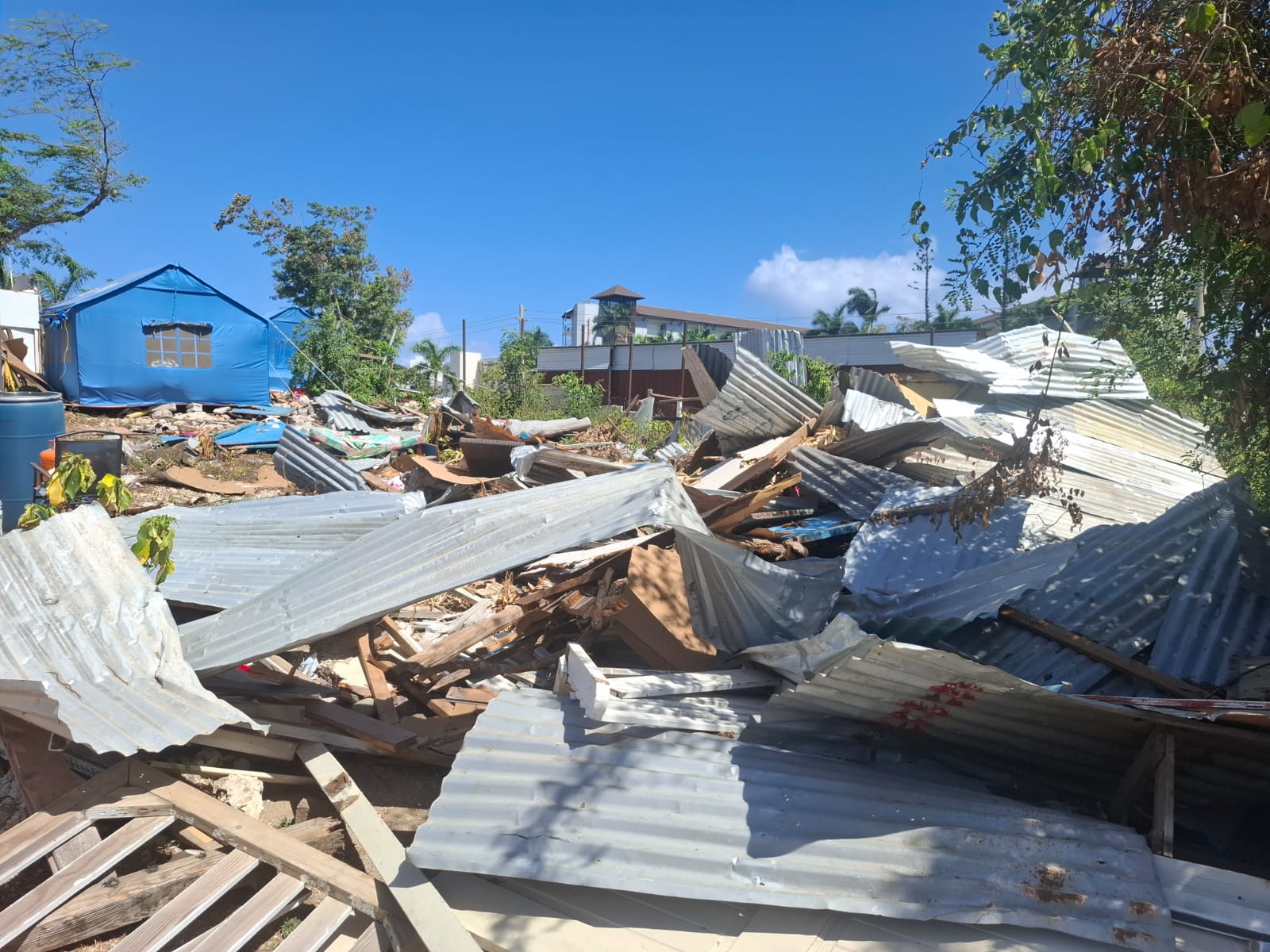
Hurricane Melissa is estimated to have resulted in a 2.9% decline in Jamaica’s annual economic output and 30,400 jobs.
That is according to a new employment impact assessment by the International Labour Organization (ILO).
The assessment says the estimated job losses include 3,640 young workers and 13,980 women workers.
The ILO says the estimates are based on a remote-sensing augmented production function approach, using building damage, population and labour data, along with nighttime light data as a proxy for economic activity.
It says the impact was greater in some of the areas hardest hit by the hurricane.
The ILO estimates a 9.7% decline in economic activity in Savanna-la-mar, with 2,990 jobs affected.
In Montego Bay, economic activity is estimated to have declined by 7.3% with 3,770 jobs affected.
In St. Elizabeth, the estimated decline is 6.6% with 3,900 jobs affected.
The report says the hurricane also caused significant disruption to the labour market, particularly in tourism, agriculture and construction, with small businesses and vulnerable workers among those most affected.
The ILO says 506,209 workers were estimated to live within the highest wind-speed zone, including 288,033 informal workers.
The assessment also found that recovery has been slow and uneven.
Using daily nighttime light data, the ILO found that some affected areas experienced declines in luminosity of between 25 and 75%, with persistent economic disruptions observed into 2026.
The ILO warns that without targeted interventions, Hurricane Melissa could contribute to long-term unemployment, poverty traps and structural economic damage, particularly for informal workers and small and medium-sized enterprises.
It is calling for an employment-centred recovery, including targeted support for tourism, agriculture and construction.
The ILO is also recommending temporary unemployment assistance for informal workers, support for MSMEs, emergency employment programmes and climate-resilient skills development.